How Long Does Hair Botox Last and When Should You Reapply?
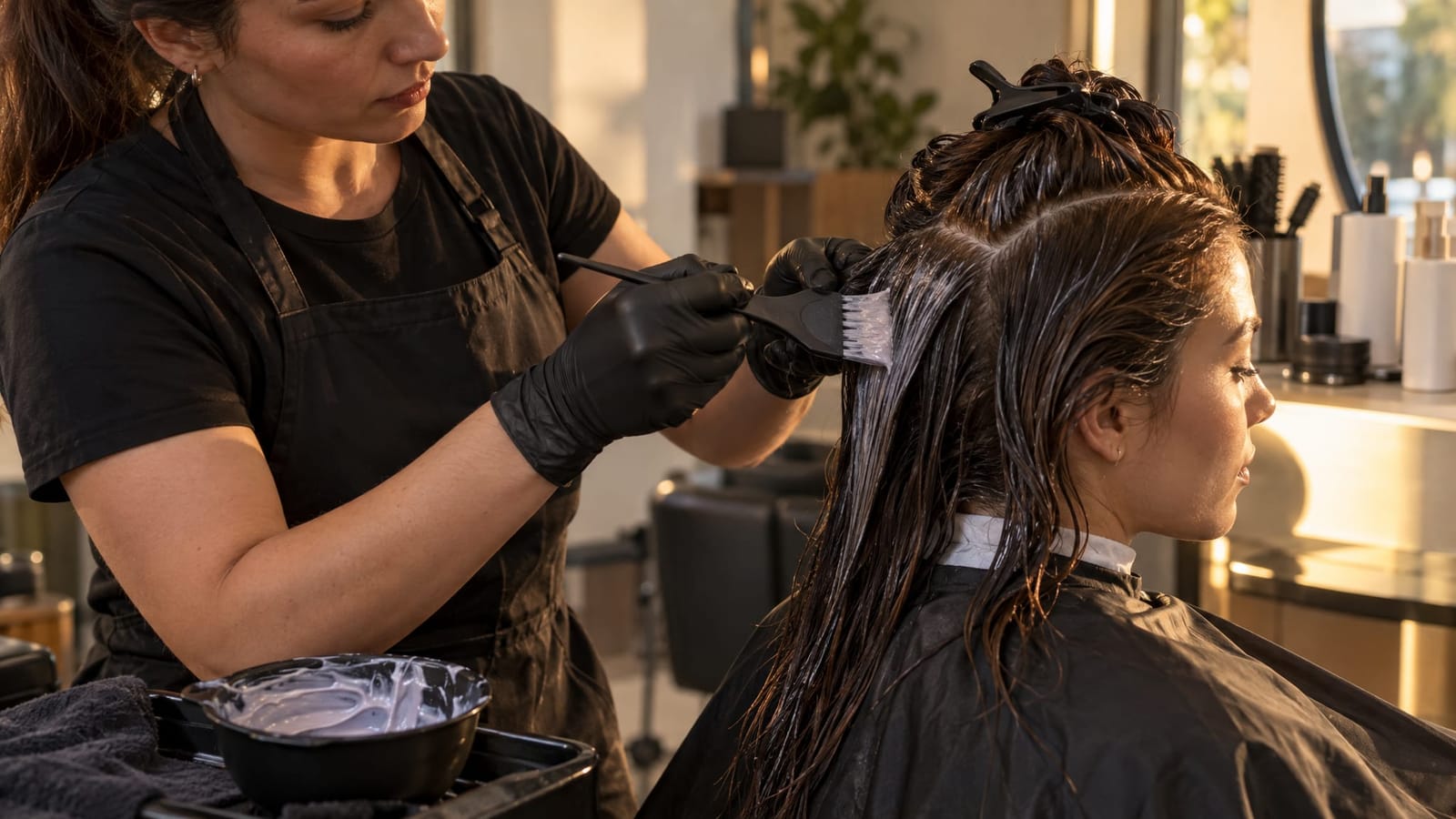
Hair Botox can last for a few months, with softness and smoothing gradually fading as you wash and style your hair. The right time to reapply depends on the formula used, how your hair feels between washes, and the product’s recommended application interval. A repeat treatment makes more sense when the benefits have noticeably faded than simply because a date has arrived.
For Miami hair routines, there is another distinction worth making: humidity can affect your finished style without meaning the treatment has completely worn off. Here is how to judge longevity, maintain the results, and plan your next treatment.
What Does It Mean for Hair Botox to “Last”?
Hair Botox is a name used for conditioning and smoothing treatments, rather than one standardized formula. Its lasting benefits are usually judged by how soft, smooth, shiny, and manageable the hair feels. Those qualities do not necessarily fade at the same pace.
For example, your hair might become less glossy while still feeling easier to detangle. Or the ends might feel rough again while the rest of the lengths remain manageable. Neither change means every benefit has disappeared.
It also helps to separate a treatment’s effects from a blowout’s shape. Losing a freshly styled finish after washing is different from losing the treatment’s conditioning benefits. Hair Botox is not permanent structural repair, and it does not guarantee straight hair.
What Affects How Long the Results Last?
The formula and your starting hair condition
Different products sold under the Hair Botox name have different application and maintenance directions. That makes the actual formula more useful for planning repeat treatments than the service name alone.
Previous bleaching, coloring, smoothing, and heat styling also matter. Hair with uneven damage may feel smooth through some sections while the ends become rough sooner. Fine or coarse texture alone does not reliably tell you how long the treatment will last.
How often you wash and what you use
More frequent shampooing gives temporary conditioning effects more opportunities to fade. Someone who washes after every workout may notice a different timeline from someone who washes less often.
Choose shampoo and conditioner according to the treatment’s aftercare directions. A sulfate-free label alone does not tell you whether an entire routine suits your hair. Cleansing strength, product buildup, and your scalp’s needs also affect which products make sense.
Avoid adding frequent clarifying washes simply because hair feels less sleek. Clarifying can be useful for buildup, but it is not interchangeable with routine cleansing.
Heat styling and everyday handling
Repeated high-heat styling and rough detangling can leave hair feeling dry or worn even while some treatment benefits remain. Gentle detangling, heat protection, and avoiding unnecessary passes with hot tools help protect the condition of your lengths.
Conditioner can support softness between appointments, but adding heavier masks at every wash is not automatically better. If hair feels coated or flat, more product may make styling harder rather than extend the treatment.
Miami humidity and swimming
Humidity can change the way hair behaves from day to day. Swimming also adds water exposure and often changes how frequently you wash. These factors make your routine more useful than the calendar when assessing the results.
Compare your hair under similar conditions. Hair air-dried after swimming is not a fair comparison with a salon blowout on treatment day.
Signs Hair Botox Is Wearing Off
Look for a gradual pattern across your usual wash-and-style routine, rather than judging the treatment after an unusually humid day. Useful signs include:
- Less softness: The lengths feel closer to their pretreatment texture after washing and conditioning.
- More tangling: Detangling takes more effort under otherwise similar conditions.
- A return of familiar frizz: Your usual products and styling method no longer give the same smooth finish.
- More styling effort: Achieving your preferred result takes longer than it did shortly after treatment.
Flatness or a coated feeling can point to buildup rather than fading. New breakage is also a reason to have the hair assessed, not a reason to automatically repeat a smoothing treatment.
When Does Reapplication Make Sense?
Use the product’s recommended repeat interval as a starting point, then reassess your hair before another application. There is little reason to chase the original salon finish by repeatedly layering treatments onto hair that still feels soft and manageable.
- If the benefits are still noticeable: Continue appropriate maintenance rather than treating the calendar as a deadline.
- If softness and manageability have gradually faded: Review the formula’s repeat-treatment directions and your hair’s current condition with your stylist.
- If only the ends feel rough: Consider whether conditioning or a trim addresses the issue more directly than another full treatment.
- If you have colored or lightened your hair since treatment: Include that service history when deciding the timing and suitability of another application.
At Rosée Atelier Beauty Salon in Miami, we offer Botox Hair Treatment alongside other hair treatments. When discussing a repeat service with our team, describe what has changed: softness, frizz, tangling, or styling time. Our team speaks English and Spanish, making it easier to explain your routine and the result you want to maintain.
A useful appointment note includes the treatment date, product name, first-wash directions, and recommended repeat interval. That gives you a clearer reference than trying to remember how your hair felt months earlier.
Frequently Asked Questions
Does Hair Botox last longer than keratin?
The names alone do not establish which treatment will last longer. The formula, desired finish, and maintenance routine matter. Our comparison of hair botox vs keratin treatment explores the differences to consider when choosing between them.
Can I color my hair between treatments?
Coloring and lightening can change your hair’s condition and the timing of another smoothing service. Share recent color work and upcoming color plans with your stylist so the service order follows the relevant product directions.
Will a deep-conditioning mask replace reapplication?
A mask can improve softness and manageability between appointments, but it is not necessarily equivalent to the salon treatment. Judge it by whether it solves your current concern, rather than expecting it to restart the treatment’s lifespan.
The best reapplication schedule follows the benefits you still notice, not a fixed promise of longevity. Track how your hair behaves during ordinary wash days, maintain it appropriately, and let its condition and the formula’s directions guide the next treatment.